

Decentralized crypto casinos represent a fundamental shift in online gambling, replacing traditional trust-based models with cryptographic verification and distributed consensus. Unlike conventional platforms where players must trust the casino operator, these blockchain-powered alternatives use immutable code to enforce fairness, automate payouts, and provide complete transparency. This technical guide explores the sophisticated technology stack that makes trustless gambling possible, from the foundational blockchain layer to the cryptographic proofs that verify each game outcome.
Blockchain Technology: The Foundation of Decentralized Gambling

At its core, a blockchain is a distributed, immutable ledger that records transactions across a network of computers. Unlike traditional databases controlled by a single entity, blockchain data is simultaneously stored on thousands of nodes, making it resistant to manipulation and censorship. This architecture forms the critical foundation that enables decentralized crypto casinos to operate without central authority.
Distributed Ledger Architecture
Traditional online casinos store all transaction data, game outcomes, and user balances on centralized servers under their exclusive control. This creates an inherent power imbalance where players must trust the casino not to manipulate data. Decentralized casinos fundamentally invert this model by recording all gambling activities on public blockchains like Ethereum, Solana, or purpose-built gambling chains.
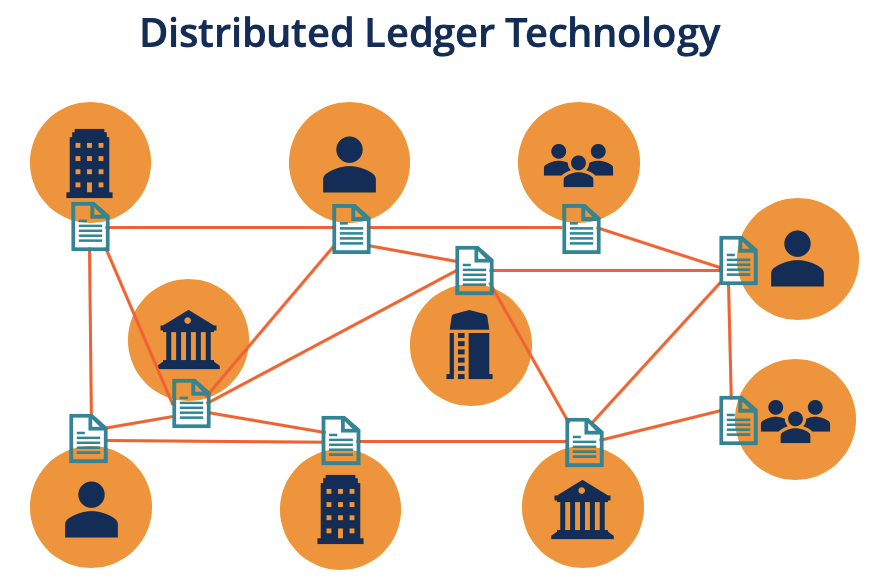
When a player places a bet on a decentralized casino, that transaction is broadcast to the entire network, verified by multiple nodes, and permanently recorded on the blockchain. This creates an unalterable history of every wager, outcome, and payout that anyone can independently audit. The immutability of blockchain records means neither players nor operators can retroactively alter game results or payment histories.
Consensus Mechanisms in Gambling Platforms
Blockchain networks require consensus mechanisms to agree on the state of the ledger without central coordination. Best decentralized crypto casinos leverage these mechanisms to ensure all participants agree on game outcomes and financial transactions. The two dominant consensus models in gambling platforms are:
Proof of Work (PoW)
Bitcoin’s consensus mechanism requires nodes to solve complex mathematical puzzles, consuming significant computational resources. While secure, PoW’s high energy consumption and slower transaction finality (10+ minutes) make it less ideal for real-time gambling applications that require rapid bet settlement.
Proof of Stake (PoS)
Ethereum 2.0, Solana, and most modern gambling-focused blockchains use PoS, where validators stake cryptocurrency as collateral to participate in transaction verification. This approach offers faster finality (seconds rather than minutes) and greater transaction throughput, making it better suited for gambling applications requiring quick resolution.
Transaction Transparency and Verification
Every transaction on a public blockchain is visible to all network participants through block explorers—web interfaces that display blockchain data in human-readable format. This transparency creates unprecedented accountability in the gambling industry, where historically operations have been opaque.

Players can verify that their bets were correctly recorded, that random number generation occurred as promised, and that winnings were properly calculated and distributed. This verification doesn’t require trust in the casino operator—it’s mathematically provable through cryptographic signatures and public ledger entries.
Experience Blockchain Transparency Firsthand
See how your gambling transactions are recorded and verified on a public ledger. Explore a decentralized casino platform with full blockchain integration.
Try a Decentralized CasinoSmart Contracts: The Autonomous Engine of Decentralized Casinos

Smart contracts are self-executing programs stored on a blockchain that automatically enforce agreements between parties without requiring intermediaries. In best decentralized crypto casinos, these autonomous code blocks replace human dealers, payment processors, and casino operators, creating truly trustless gambling environments where code, not people, enforces the rules.
Anatomy of a Casino Smart Contract
Casino smart contracts contain several critical components that work together to create a complete gambling system. Written primarily in languages like Solidity (Ethereum) or Rust (Solana), these contracts typically include:
Once deployed to a blockchain, these contracts operate autonomously according to their programmed logic. Neither the casino operator nor the players can alter the rules or manipulate outcomes—the code executes exactly as written, visible to all participants.
Automated Escrow and Trustless Fund Management

Traditional casinos require players to deposit funds into casino-controlled accounts, creating counterparty risk if the operator becomes insolvent or acts dishonestly. Smart contracts eliminate this risk through automated escrow functionality:
This automated escrow system ensures that players’ funds are never under the direct control of casino operators and that winnings are paid instantly according to immutable contract terms. The elimination of human intervention in payment processing represents one of the most significant advantages of decentralized gambling platforms.
Smart Contract Security Considerations
While smart contracts offer powerful trustless functionality, their immutable nature means that bugs or vulnerabilities can have serious consequences. Decentralized crypto casinos implement several security measures to protect player funds:
Security Best Practices
- Formal verification of contract code using mathematical proofs
- Multiple independent security audits by specialized firms
- Gradual fund migration during contract upgrades
- Open-source code for public scrutiny
- Bug bounty programs to incentivize vulnerability disclosure
Common Vulnerabilities
- Reentrancy attacks exploiting callback functions
- Integer overflow/underflow in balance calculations
- Front-running of transactions by miners/validators
- Weak randomness sources compromising game fairness
- Logic errors in complex game implementations
The most reputable decentralized casinos publish comprehensive security documentation, including audit reports and formal mathematical proofs of their random number generation. Players should verify these security measures before trusting a platform with significant funds.
Examine Real Casino Smart Contracts
Interested in the code that powers decentralized gambling? Explore verified smart contracts on Etherscan or review open-source implementations on GitHub.
View Smart Contract CodeProvably Fair Algorithms: Mathematical Verification of Game Integrity
Provably fair algorithms represent the cornerstone of trustless gambling, enabling players to mathematically verify that game outcomes were not manipulated. Unlike traditional online casinos that rely on third-party certifications and “black box” random number generators, best decentralized crypto casinos implement cryptographic systems that allow independent verification of every game result.
Cryptographic Commitment Schemes
The foundation of provably fair gaming is the cryptographic commitment scheme—a mathematical method that allows the casino to commit to a random value without revealing it until after the player has made their choices. This typically involves a three-step process:
- The revealed seed matches the previously published hash
- The combination of server seed, client seed, and other public parameters (like a nonce) deterministically produces the game outcome
This process ensures that neither the casino nor the player can manipulate the outcome, as the casino commits to its randomness before knowing the player’s input, and the player contributes randomness that the casino cannot predict.
Technical Implementation of Provably Fair Systems
The technical implementation of provably fair algorithms typically uses cryptographic hash functions like SHA-256 or HMAC-SHA512. Here’s a simplified example of how a provably fair dice roll might be implemented:
// Server generates random seed and publishes its hash
serverSeed = generateRandomBytes(32);
publishedHash = SHA256(serverSeed);
// Player places bet with their own seed
clientSeed = playerProvidedSeed;
nonce = currentBetNumber;
// After bet is placed, combine seeds to generate result
combinedSeed = HMAC-SHA256(serverSeed, clientSeed + nonce);
// Convert first 8 bytes of hash to a number between 1-100
result = (parseInt(combinedSeed.substr(0, 8), 16) % 100) + 1;
The mathematical properties of cryptographic hash functions ensure that:
Verifying Game Fairness as a Player
Best decentralized crypto casinos provide tools that allow players to verify the fairness of each game round. This verification process typically includes:

Advanced players can also write their own verification scripts or use third-party tools to independently audit game fairness without relying on the casino’s verification interface.
Blockchain-Native Randomness Sources
While traditional provably fair algorithms rely on casino-generated server seeds, more advanced decentralized crypto casinos are implementing blockchain-native randomness sources that further reduce trust requirements:
Block Hash Randomness
Uses future block hashes as an unpredictable randomness source. Since no one can reliably predict future block hashes, they serve as a neutral source of entropy. However, this method is vulnerable to miner/validator manipulation in some circumstances.
Chainlink VRF
Verifiable Random Function service that provides cryptographically guaranteed randomness via oracle networks. VRF combines block data, oracle node secrets, and user-provided seeds to generate random values that are verifiable on-chain and resistant to manipulation by any party.
These blockchain-native approaches further enhance the trustlessness of decentralized gambling by removing the casino’s role in generating the initial randomness, creating systems where neither the player, the casino, nor the blockchain validators can manipulate outcomes.
Verify Game Fairness Yourself
Experience the transparency of provably fair gambling firsthand. Try a game where you can verify each outcome with cryptographic proof.
Play a Provably Fair GameDecentralized Game Implementation: From Concept to Code
Understanding how popular casino games are implemented in decentralized environments reveals the technical challenges and solutions that make trustless gambling possible. Each game type requires specific adaptations to function within the constraints of blockchain technology.
Blockchain-Native Games vs. Traditional Adaptations

Decentralized crypto casinos feature two distinct categories of games, each with unique technical implementations:
Blockchain-Native Games
Games designed specifically for blockchain environments, optimized for on-chain verification and minimal computational requirements. Examples include Crash (multiplier games), Dice, and Plinko. These games typically feature simple mechanics that can be fully implemented within smart contract limitations.
Traditional Game Adaptations
Classic casino games like blackjack, roulette, and slots adapted for blockchain verification. These often use hybrid approaches where game logic runs off-chain but with cryptographic verification systems ensuring fairness. The complexity of these games often exceeds what can be efficiently implemented directly in smart contracts.
Technical Challenges in Decentralized Game Design
Implementing casino games on blockchain platforms presents several technical challenges that developers must overcome:
Case Study: Implementing Blackjack on a Blockchain
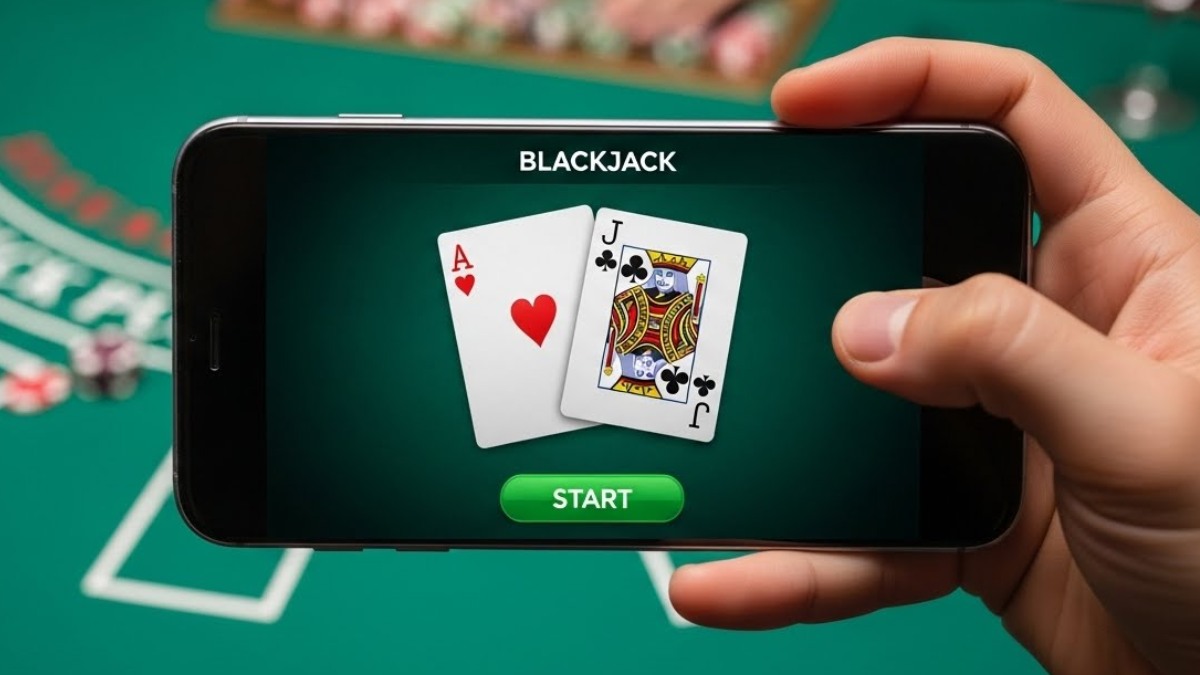
Blackjack illustrates the challenges of implementing complex card games on blockchain platforms. A fully decentralized implementation typically includes:
Due to gas cost constraints, many implementations use a hybrid approach where the game logic executes off-chain but with cryptographic proofs that allow players to verify the fairness of each step.
| Game Type | Implementation Approach | Technical Challenges | Verification Method |
| Dice/Coin Flip | Fully on-chain | Simple computation, low gas costs | Direct smart contract verification |
| Crash/Multiplier | Fully on-chain | Managing multiple simultaneous players | Hash chain or HMAC verification |
| Blackjack/Poker | Hybrid (off-chain logic with on-chain verification) | Complex state management, multiple decision points | Merkle proofs or zero-knowledge proofs |
| Slots | Hybrid or fully on-chain | Complex paytables and visual animations | Seed-based RNG with hash verification |
| Roulette | Fully on-chain | Multiple bet types and payout calculations | Direct outcome verification via combined seeds |
Scaling Solutions for Decentralized Gambling
The high transaction costs and limited throughput of base layer blockchains like Ethereum present significant challenges for decentralized gambling platforms. To address these limitations, developers have implemented various scaling solutions that maintain security while improving performance.
State Channels for Real-Time Gambling
State channels enable rapid, low-cost interactions by moving most transactions off-chain while maintaining security guarantees. For gambling applications, this approach offers several advantages:
Implementation typically involves locking funds in a smart contract, exchanging cryptographically signed messages to update the game state, and publishing the final state to the blockchain when the session concludes. This approach is particularly well-suited for extended gambling sessions with multiple bets.
Sidechains and Application-Specific Blockchains

Some decentralized crypto casinos operate on purpose-built blockchains or sidechains optimized specifically for gambling applications:
Gambling Sidechains
Independent blockchains that connect to major networks like Ethereum through two-way bridges. These chains can implement gambling-specific features like specialized random number generation, optimized game state storage, and fee structures designed for micro-betting.
Application-Specific Blockchains
Completely independent chains built using frameworks like Cosmos SDK or Substrate, designed exclusively for gambling applications. These chains can optimize every aspect of their architecture for gambling use cases, from block time to gas cost calculations.
These specialized chains typically offer transaction costs orders of magnitude lower than general-purpose blockchains while maintaining high security through either their own validator networks or by anchoring to more established chains.
Zero-Knowledge Proofs for Scalable Verification
Zero-knowledge proofs (ZKPs) represent one of the most promising technologies for scaling decentralized gambling while maintaining full verification capabilities. These cryptographic constructs allow one party to prove to another that a statement is true without revealing any additional information.
In gambling applications, ZKPs enable:
Implementations like ZK-Rollups bundle multiple gambling transactions into batches with cryptographic proofs that guarantee the correctness of all game outcomes and fund transfers, enabling high-throughput gambling platforms with main-chain security guarantees.
Economic Models and House Edge in Decentralized Environments
Decentralized crypto casinos require sustainable economic models that balance profitability with transparency. Unlike traditional casinos that can obscure their house edge, blockchain-based platforms expose their economic parameters directly in smart contract code, creating new dynamics in gambling economics.
Transparent House Edge Implementation
In decentralized casinos, the house edge is explicitly encoded in smart contracts and visible to anyone who examines the code. This transparency creates several important distinctions from traditional gambling:
Most decentralized casinos implement house edge through explicit mathematical formulas in their payout calculations. For example, a provably fair dice game might use code similar to:
// Player wins if roll is less than or equal to target
function calculatePayout(uint256 betAmount, uint256 target) public pure returns (uint256) {
// House edge of 1%
uint256 houseEdgePercent = 1;
// Calculate fair multiplier: 100 / target
uint256 multiplier = (100 * (100 – houseEdgePercent)) / target;
return (betAmount * multiplier) / 100;
}
This explicit encoding makes it impossible for the casino to manipulate payouts or hide the true odds from players who review the contract code.
Token Economics and Incentive Structures
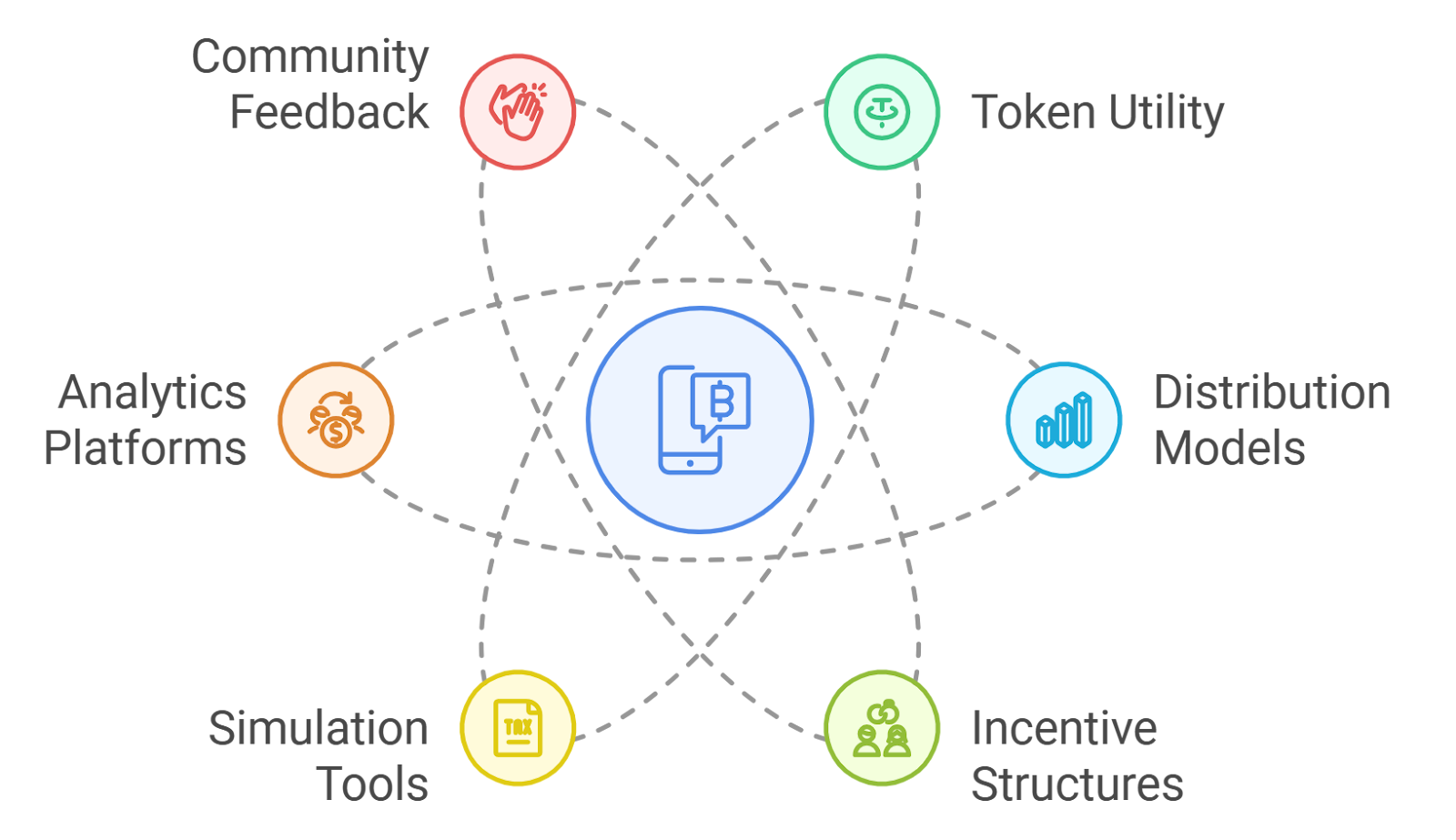
Many decentralized crypto casinos implement token-based economic models that align incentives between platform operators, players, and investors:
Platform Tokens
Native cryptocurrency tokens that provide utility within the gambling ecosystem. These tokens often offer reduced house edge, cashback on losses, or exclusive game access. Token holders may receive a share of platform profits proportional to their holdings.
Governance Mechanisms
Decentralized autonomous organization (DAO) structures that allow token holders to vote on platform parameters like house edge percentages, supported games, or profit distribution. This creates a self-regulating ecosystem where players can directly influence platform policies.
These token models create novel economic structures where players can become stakeholders in the platform, potentially benefiting from its growth while gambling. This alignment of incentives represents a fundamental shift from traditional gambling economics where the house and player interests are strictly opposed.
Bankroll Funding and Risk Management
Decentralized casinos require sufficient liquidity to pay out potential winnings, creating unique challenges in bankroll management. Several models have emerged to address this requirement:
Smart contracts implement automatic risk management by enforcing bet limits proportional to available liquidity and mathematically ensuring that the platform remains solvent even during periods of negative variance (when players win more than expected by chance).
| Economic Model | Implementation Approach | Advantages | Challenges |
| Fixed House Edge | Direct encoding in payout calculations | Simple, transparent, predictable revenue | Limited flexibility, competitive pressure |
| Token-Based Incentives | Native tokens with utility and governance | Aligned incentives, community governance | Token price volatility, regulatory uncertainty |
| Liquidity Pool Bankroll | User-funded pools with profit sharing | Distributed risk, scalable bankroll | Complex accounting, yield optimization |
| Dynamic House Edge | Algorithmic adjustment based on bankroll | Risk-responsive, capital efficient | Less predictable for players, complex implementation |
Regulatory Challenges and Technical Solutions

Decentralized crypto casinos operate at the intersection of two highly regulated industries—gambling and cryptocurrency—creating complex regulatory challenges. Innovative technical approaches help these platforms navigate compliance requirements while maintaining their decentralized nature.
Identity Verification and KYC Implementation
Traditional gambling regulations typically require Know Your Customer (KYC) procedures to prevent money laundering and underage gambling. Decentralized platforms implement various approaches to address these requirements:
Zero-Knowledge KYC
Advanced cryptographic systems that verify a user meets regulatory requirements (age, location, etc.) without storing or transmitting personal data. These systems generate cryptographic proofs that a trusted entity has verified the user’s identity without revealing the underlying information.
Decentralized Identity
Self-sovereign identity systems where users control their verified credentials and selectively disclose only the minimum information required for compliance. These systems use blockchain attestations from trusted validators to confirm identity attributes without centralized storage.
These approaches represent a significant advancement over traditional KYC, which requires centralized storage of sensitive personal data, creating privacy risks and single points of failure.
Geolocation Restrictions and Enforcement
Gambling regulations vary dramatically by jurisdiction, requiring platforms to restrict access based on user location. Decentralized casinos implement several technical approaches to geographic restrictions:
The tension between regulatory compliance and censorship resistance remains one of the most significant challenges for decentralized gambling platforms, with technical solutions continuing to evolve.
Responsible Gambling Tools on the Blockchain

Responsible gambling is a critical component of regulatory compliance. Decentralized platforms implement blockchain-based tools that offer unique advantages over traditional systems:
The immutability of blockchain records and the self-enforcing nature of smart contracts create responsible gambling tools that are potentially more effective than traditional implementations, as they cannot be circumvented by either the player or the platform.
Future Directions in Decentralized Gambling Technology

The technology powering decentralized crypto casinos continues to evolve rapidly, with several emerging trends poised to reshape the industry in coming years. These innovations promise to enhance security, user experience, and the fundamental trustlessness of blockchain gambling.
Cross-Chain Interoperability and Asset Portability
Current decentralized casinos typically operate on a single blockchain ecosystem, limiting liquidity and user access. Next-generation platforms are implementing cross-chain solutions that enable seamless gambling across multiple blockchains:
These technologies will create more fluid gambling ecosystems where assets and liquidity can flow freely across blockchain boundaries, expanding the potential player base and improving capital efficiency.
Privacy-Preserving Gambling with Zero-Knowledge Proofs
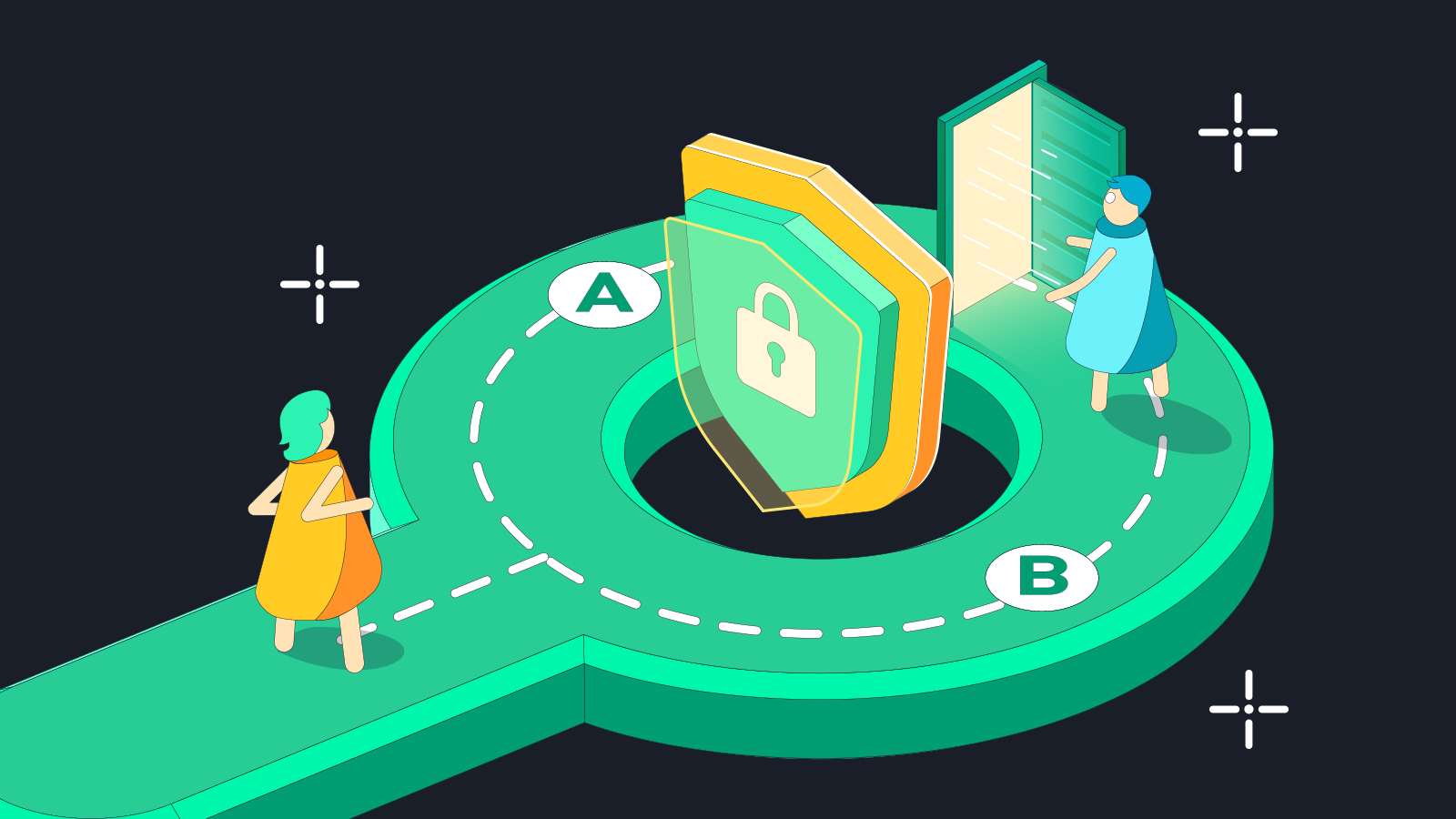
While blockchain transactions are pseudonymous, they are not truly private—all activity is visible on public ledgers. Advanced cryptographic techniques are enabling truly private gambling without sacrificing verifiability:
zk-SNARKs/STARKs
Zero-knowledge proof systems that allow platforms to prove game fairness without revealing specific player actions or outcomes. These systems enable private gambling where only the participants can see the details of their activity while still maintaining provable fairness.
Confidential Transactions
Cryptographic techniques that hide transaction amounts while still allowing verification of their validity. These systems enable players to gamble without publicly revealing their bet sizes or winnings, addressing privacy concerns while maintaining regulatory compliance.
These privacy technologies represent a significant advancement in decentralized gambling, addressing one of the major drawbacks of current blockchain-based platforms—the public visibility of all gambling activity.
AI and Machine Learning Integration
Artificial intelligence is beginning to transform decentralized gambling through several innovative applications:
The integration of AI with blockchain technology creates powerful new capabilities for decentralized casinos, though implementing these systems while maintaining trustlessness presents significant technical challenges.
Metaverse and Virtual Reality Gambling
The emerging metaverse represents a natural evolution for decentralized gambling, combining immersive virtual environments with blockchain-based game mechanics:
These immersive experiences represent the convergence of multiple emerging technologies—blockchain, virtual reality, and digital ownership—creating entirely new gambling paradigms that transcend the limitations of both traditional and current decentralized casinos.
Start Your Decentralized Gambling Journey
Ready to experience the future of gambling? Set up a crypto wallet and try a decentralized casino platform with full blockchain verification.
Create Your Crypto WalletConclusion: The Technological Revolution in Online Gambling
Decentralized crypto casinos represent a fundamental technological shift in how gambling platforms operate. By replacing central authorities with cryptographic verification and distributed consensus, these platforms create unprecedented transparency, fairness, and player autonomy. The combination of blockchain’s immutable ledger, smart contracts’ self-executing logic, and provably fair algorithms’ mathematical verification eliminates the need to trust casino operators—instead, players can verify every aspect of the gambling experience themselves.
As the technology continues to mature, we can expect even greater innovations in cross-chain functionality, privacy preservation, and immersive experiences. For technically-minded players who value transparency and control over their gambling experience, decentralized platforms offer a compelling alternative to traditional online casinos. The future of gambling is increasingly trustless, verifiable, and decentralized—powered by sophisticated cryptography and blockchain technology that fundamentally transforms the relationship between players and platforms.